
Traditional Techniques Transformed
Celebrating 50 years of
The West Australian Quilters Association
Perth Town Hall
Corner of Hay Street and Barrack Street, Perth
17 to 21 August 2026
10am to 4pm
This exhibition celebrates the diversity of present day quiltmaking, showcasing the wide range of techniques, materials, and design approaches used by 18 WAQA quilters. Each quilt tells its own story, reflecting the maker's skill, imagination, and personal style.
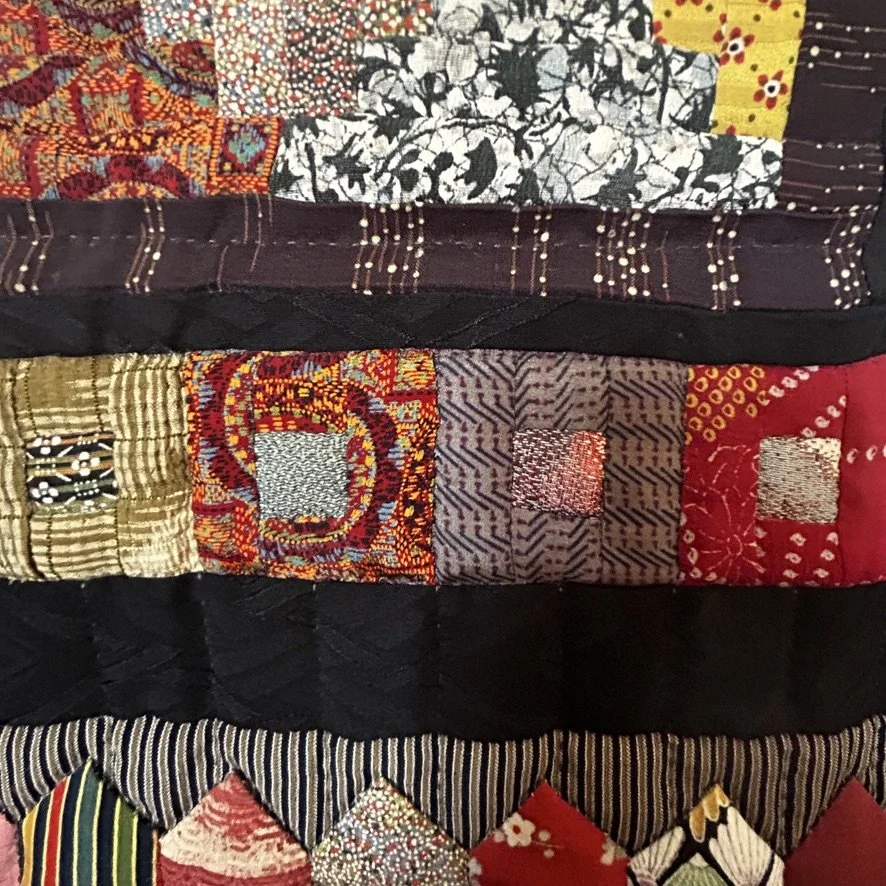
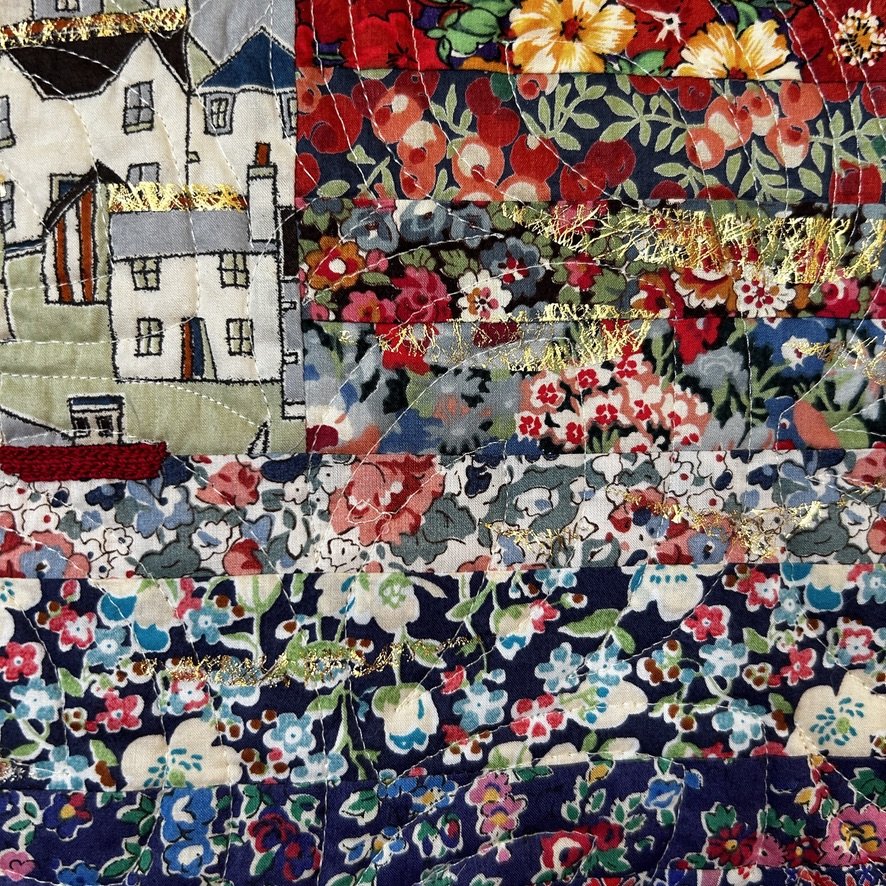
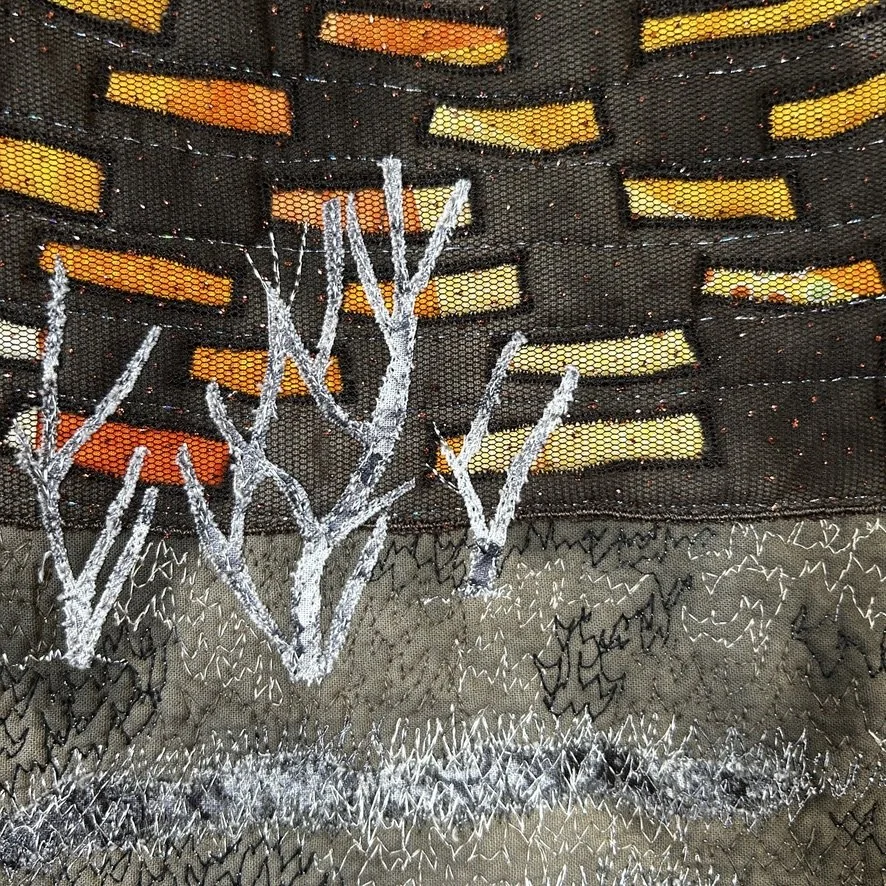
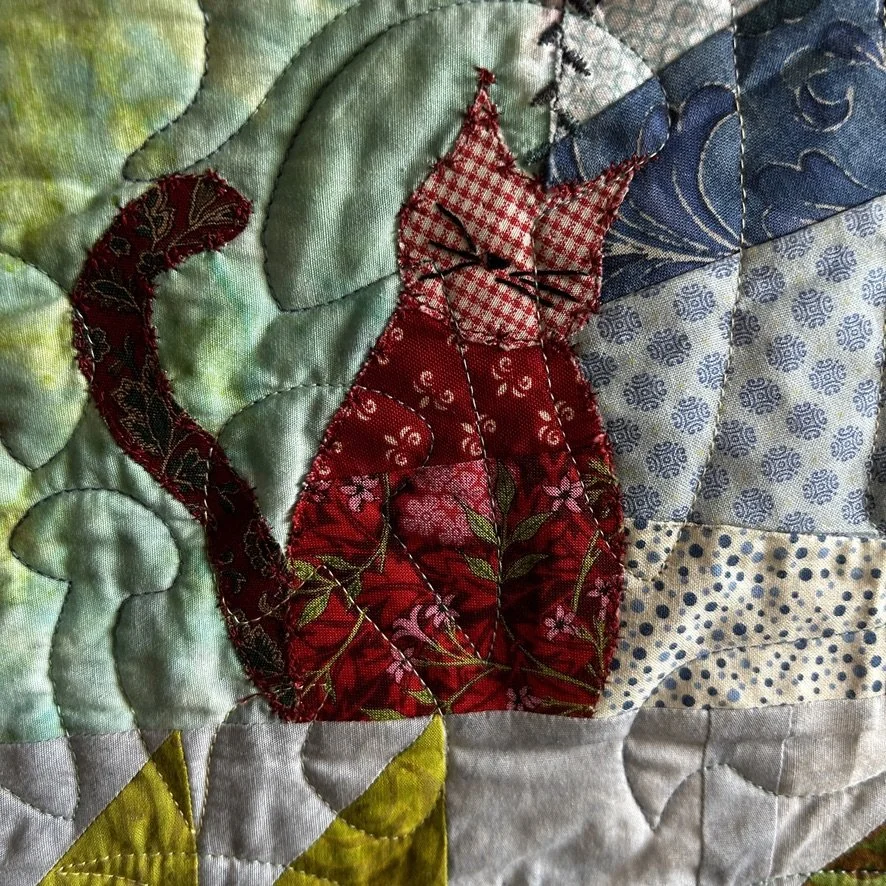
Traditional quilting techniques underpin the making of a quilt. A quilt can be defined simply as two or three layers stitched together.
Over the past 50 years, however, we have seen remarkable changes in the tools and techniques available to construct a quilt.
Yoshio Okada invented the rotary cutter in 1979, and it became the signature tool of quilters during the 1980s. Cutting mats, rulers, and templates soon followed, greatly reducing the time and effort involved in cutting fabric.
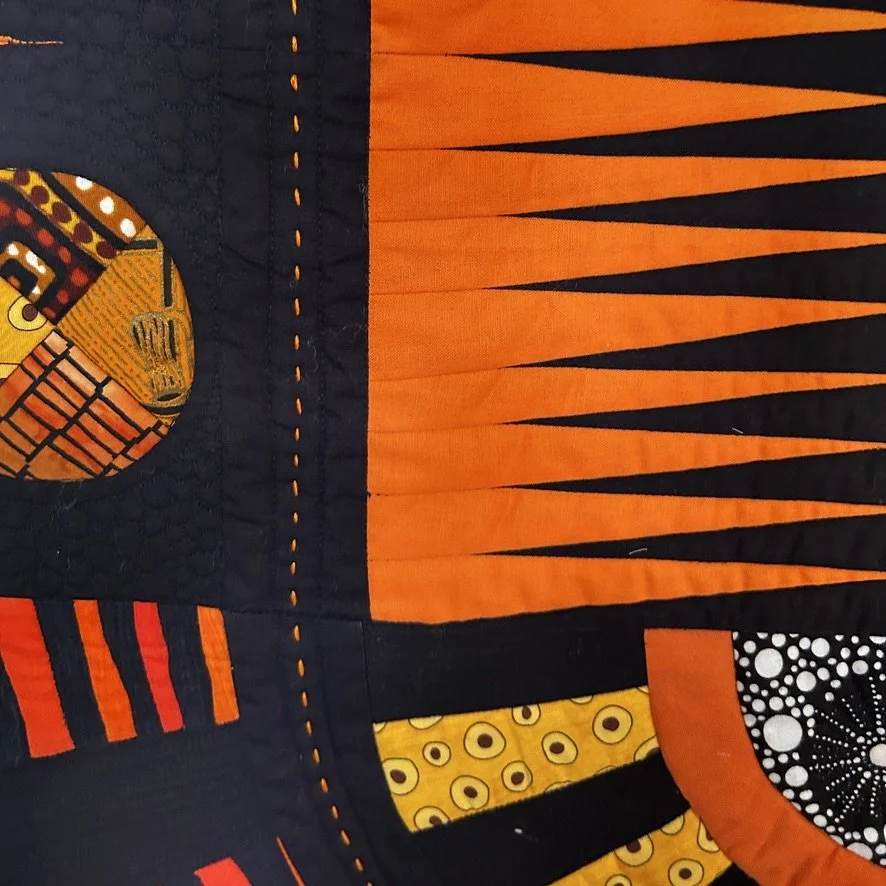
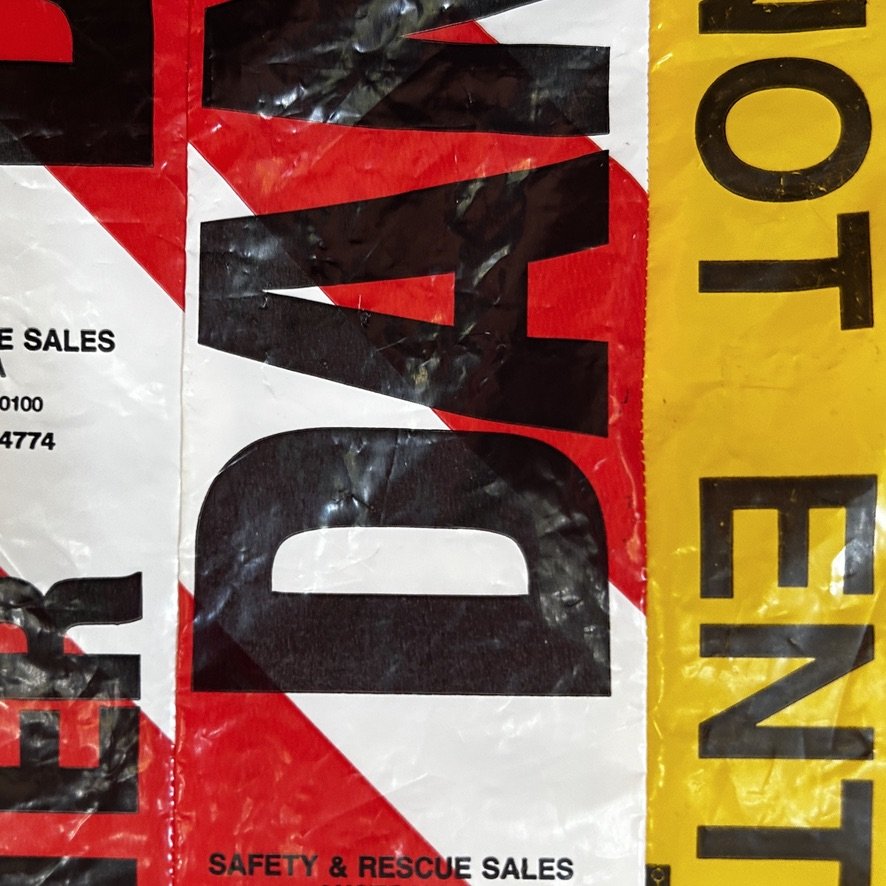
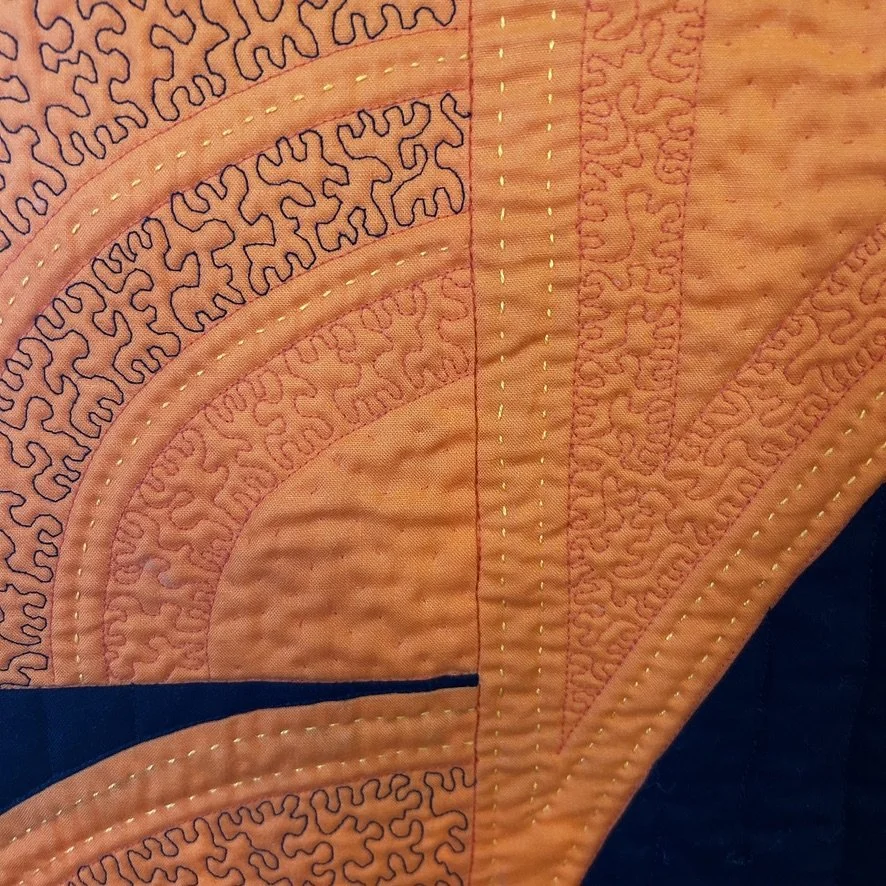
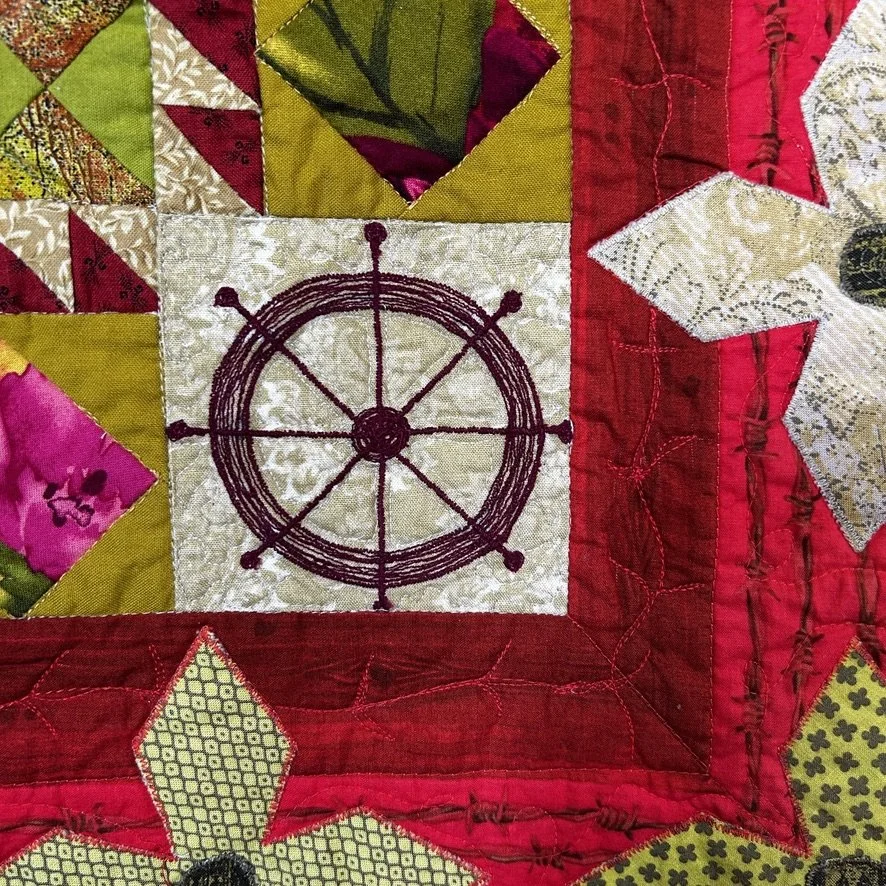
Pattern design for the quilt top has also advanced with the technology now available. Patterns can be purchased commercially, and new designs are released almost daily. There is an extensive range of fabric available, but some quilters prefer to dye or paint their own or repurpose fabric.
Many quilters now use computer design programs to create their own original designs. Our imagination is unlimited, and some quilts are constructed entirely freehand, without templates or rulers.
The middle layer, or wadding (batting), was once made from recycled blankets, clothing, or even sugar bags. Today there is an enormous range of waddings available, made from different fibres and blends. Every quilter has their own preference, choosing materials that best suit the purpose and style of the quilt.
The backing fabric, once commonly made from recycled textiles, is now available as specially woven extra-wide cottons in an astonishing variety of colours and designs.
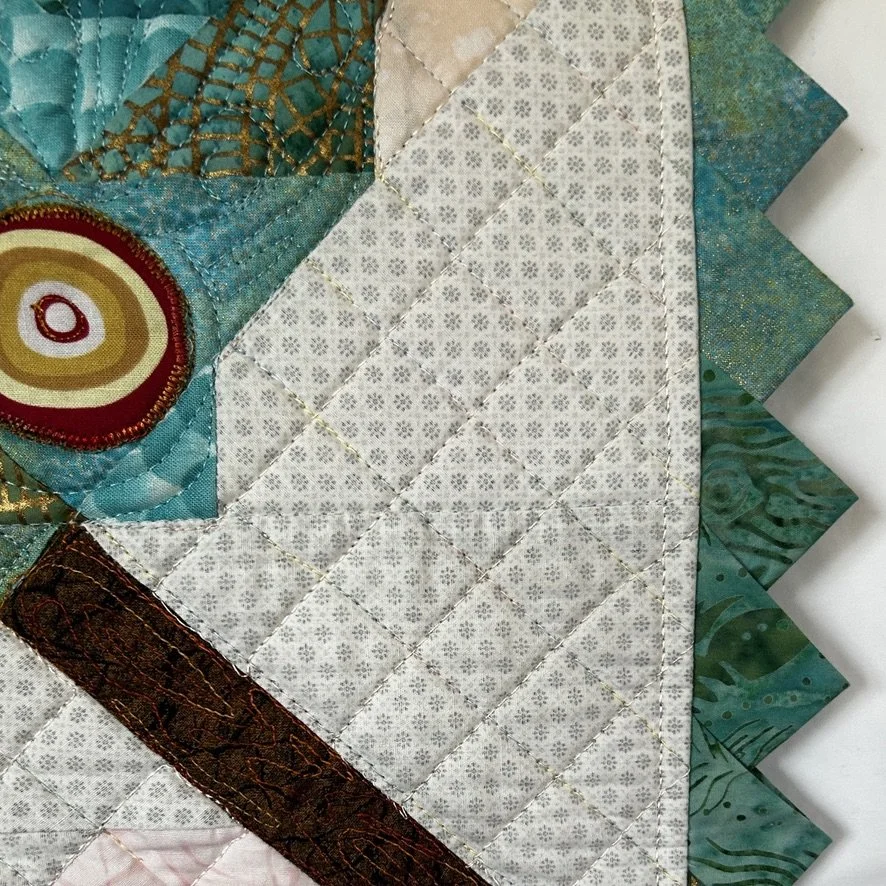
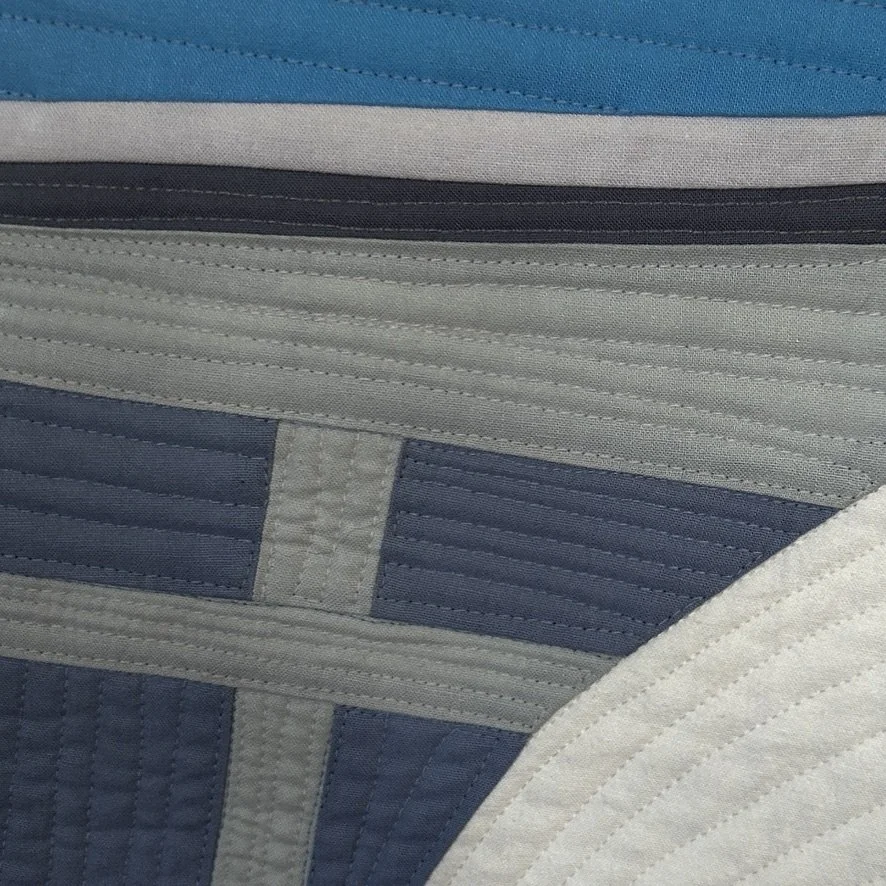
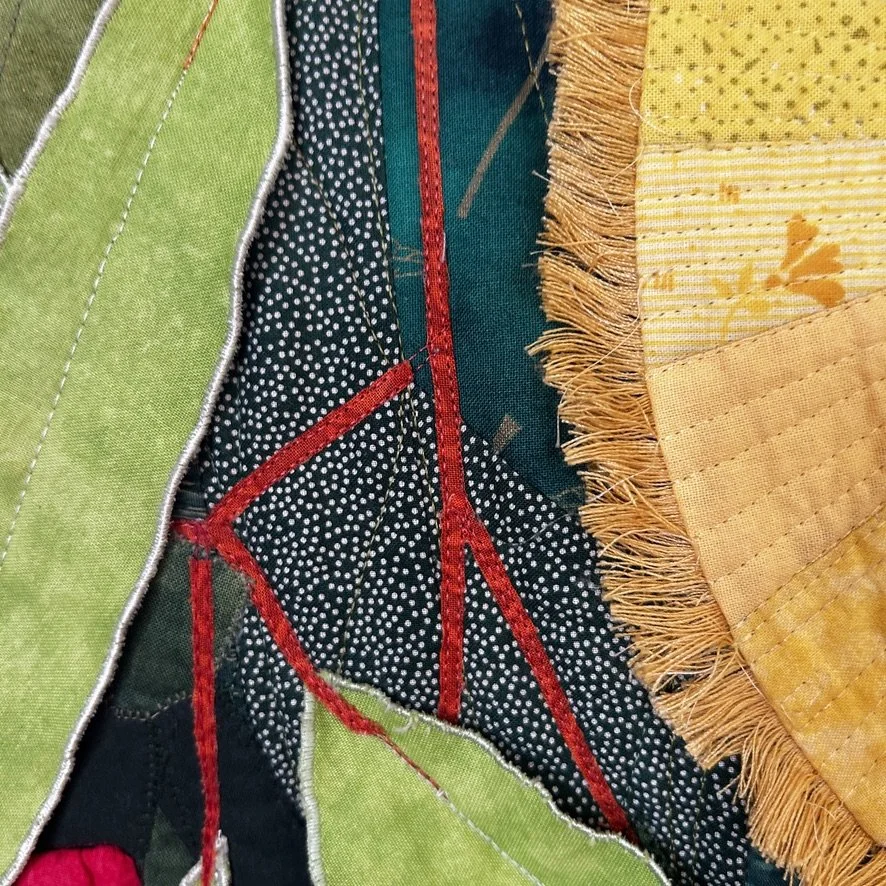
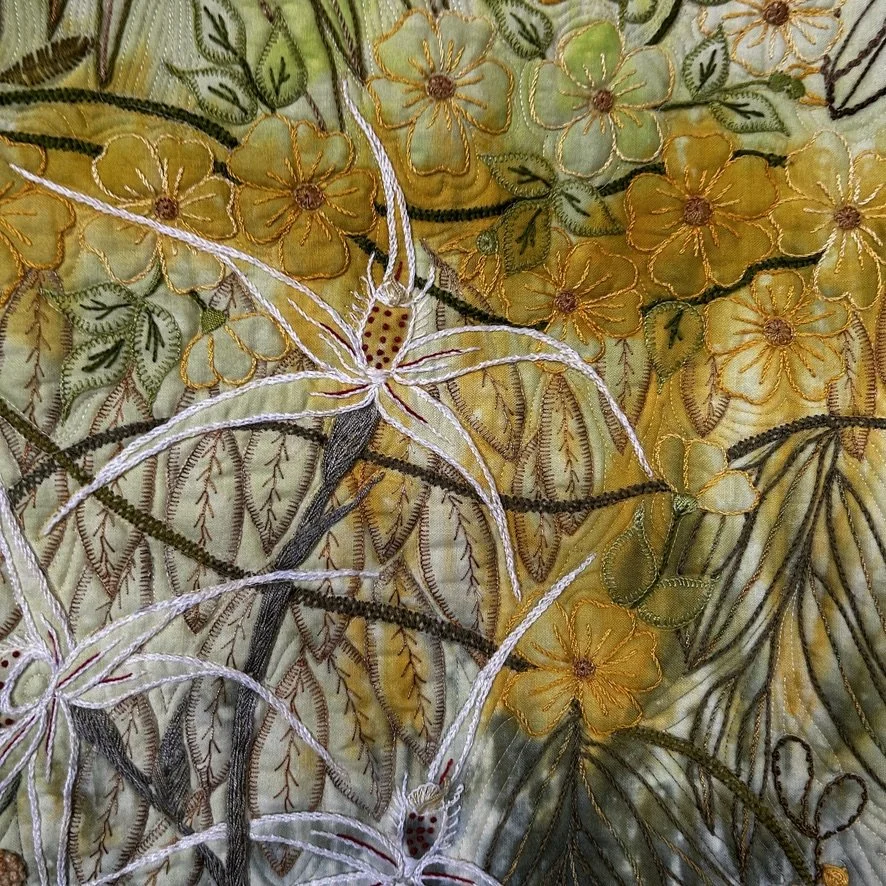
The process of stitching the three layers together, once done entirely by hand, can now be achieved using a wide range of sewing machines, many designed specifically for quilting. Longarm quilting machines have also transformed the way larger quilts can be finished.
Ultimately, every aspect of quiltmaking is the choice of the maker. The selection of fabrics, tools, techniques, and methods reflects individual creativity, resulting in a quilt that expresses the maker's vision while still honouring the traditional definition of a quilt: layers joined together by stitching.
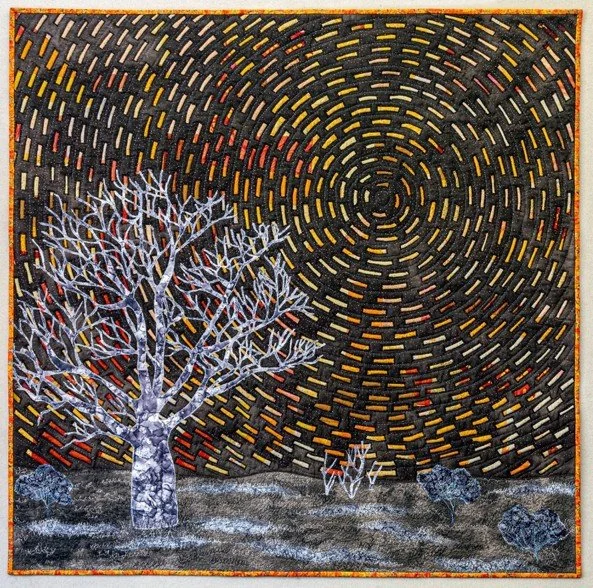
In a Spin by Janine Judge